What’s In My Camera Bag for Landscape Photography
And Why I Use the Gear I Do
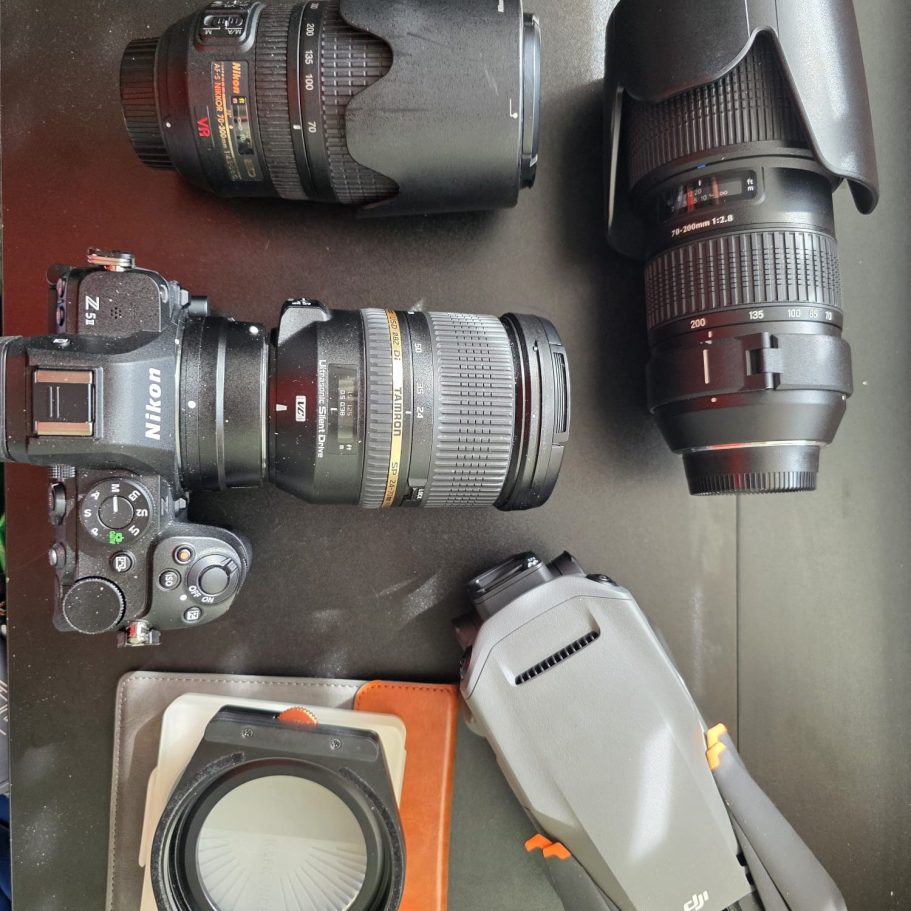
When people talk about landscape photography gear, it is easy to get the impression that you need the newest camera, the sharpest lenses, and the most expensive setup possible before you can create strong images.
I do not really see it that way.
For me, the gear I use is not about showing off a perfect kit. It is about having tools I trust. Tools that help me work in different conditions, adapt to different scenes, and come home with images I am happy with. Over time, I have found that the best gear is not always the most exciting gear — it is the gear that fits the way you actually shoot.
That is what my camera bag is built around.
A setup that gives me flexibility, quality, and enough range to cover the kind of photography I enjoy most.
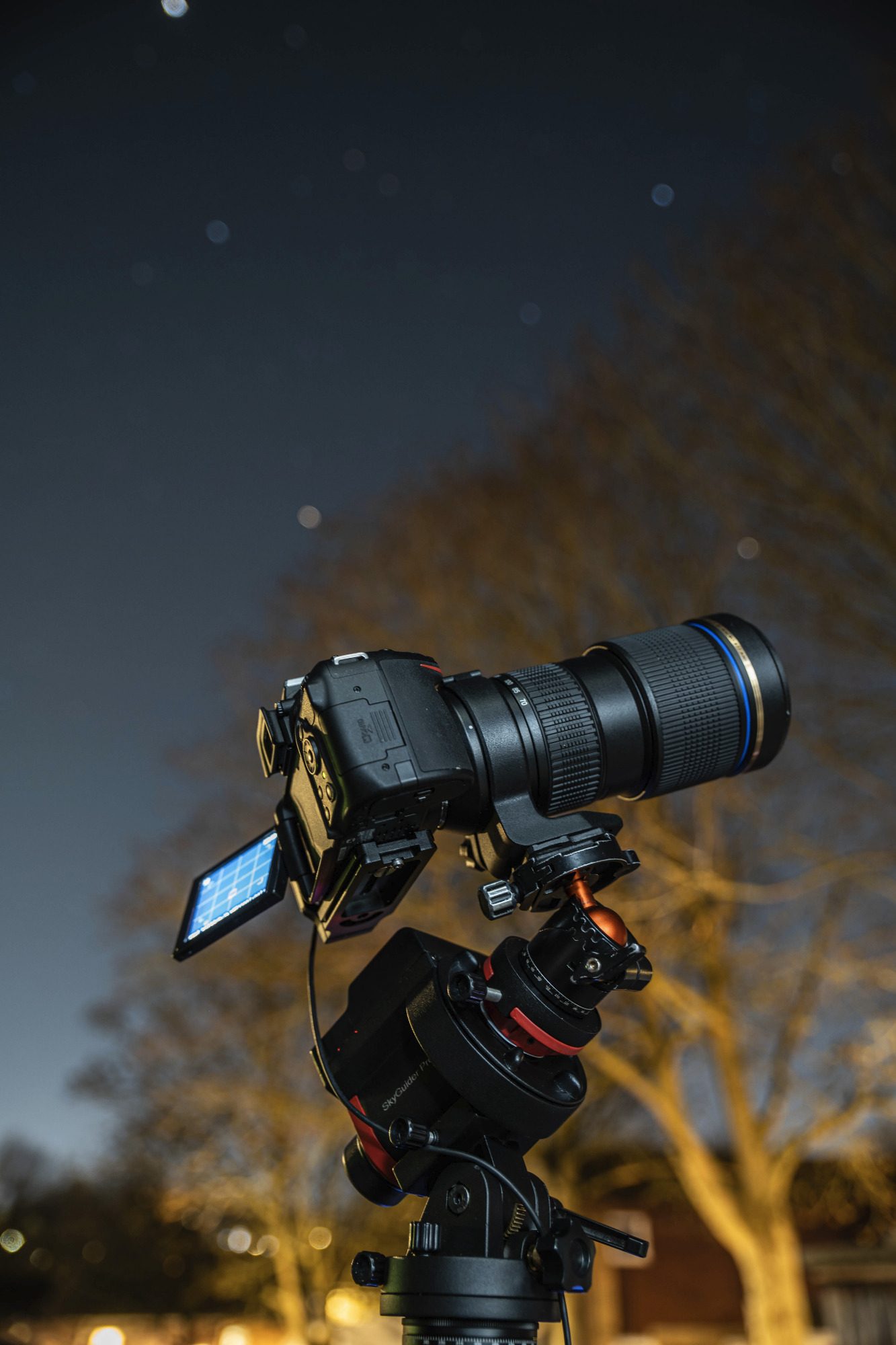
The camera body: Nikon Z5II
At the centre of my setup is the Nikon Z5II.
What I like most about it is that it gives me exactly what I need for the way I shoot. Landscape photography is rarely about speed for me. It is about patience, composition, light, and timing. So I want a camera that feels reliable, produces strong image quality, and gives me files I can work with confidently in post-processing.
That is where this camera fits in well.
It gives me the full-frame look I want, good detail, and the flexibility to shoot a wide range of subjects, from broad landscapes to tighter compositions. For me, it is less about chasing spec sheets and more about using a camera that feels capable and dependable when I am out in the field.
And that matters more than people think.
Because when the light is changing fast, or the conditions only come together for a few moments, you do not want to be thinking about your gear. You want to trust it and focus on making the image.
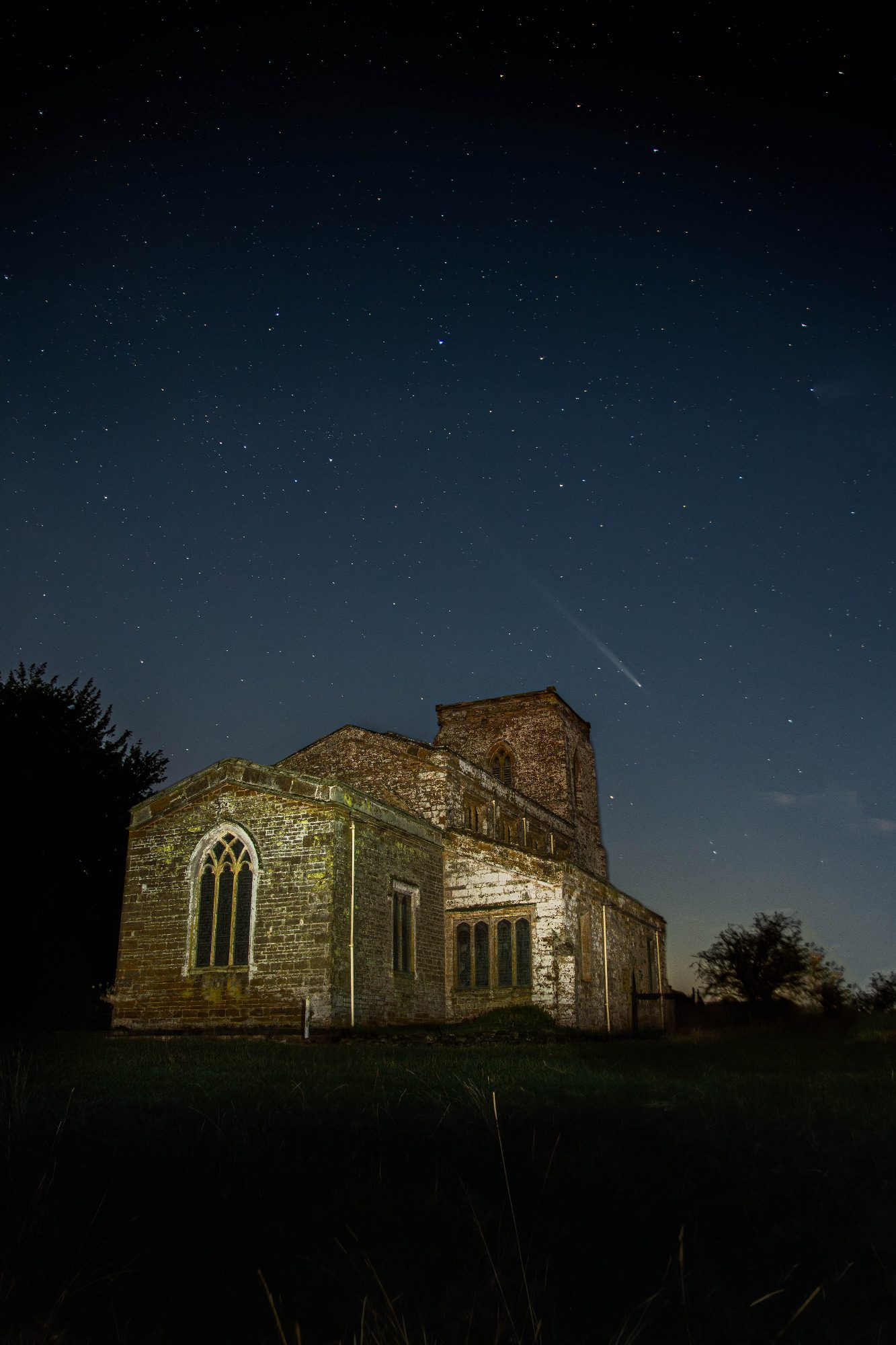
Tamron 24–70mm f/2.8 Di SP
If there is one lens that covers the most ground for me, it is the Tamron 24–70mm f/2.8.
This is probably the most versatile lens in my bag. It gives me the flexibility to shoot wider scenes, natural mid-range compositions, and slightly tighter frames without constantly changing lenses. For landscape photography, that is incredibly useful because conditions do not always give you time to overthink things. Sometimes the light is moving, the sky is shifting, and you need to adjust quickly.
That is where this lens earns its place.
The 24mm end is useful for wider scenes, foreground-heavy compositions, and getting a sense of scale. The longer end lets me simplify scenes a little more and isolate stronger parts of a landscape without immediately jumping to a telephoto look. It sits in that perfect middle ground where a lot of landscape photography naturally lives.
The f/2.8 aperture is also helpful. Landscape photography is often stopped down, of course, but having that extra light can still be useful in lower light, sunrise, sunset, or when I want more flexibility outside of pure landscape work.
For me, this is the lens that does a bit of everything, and does it well.
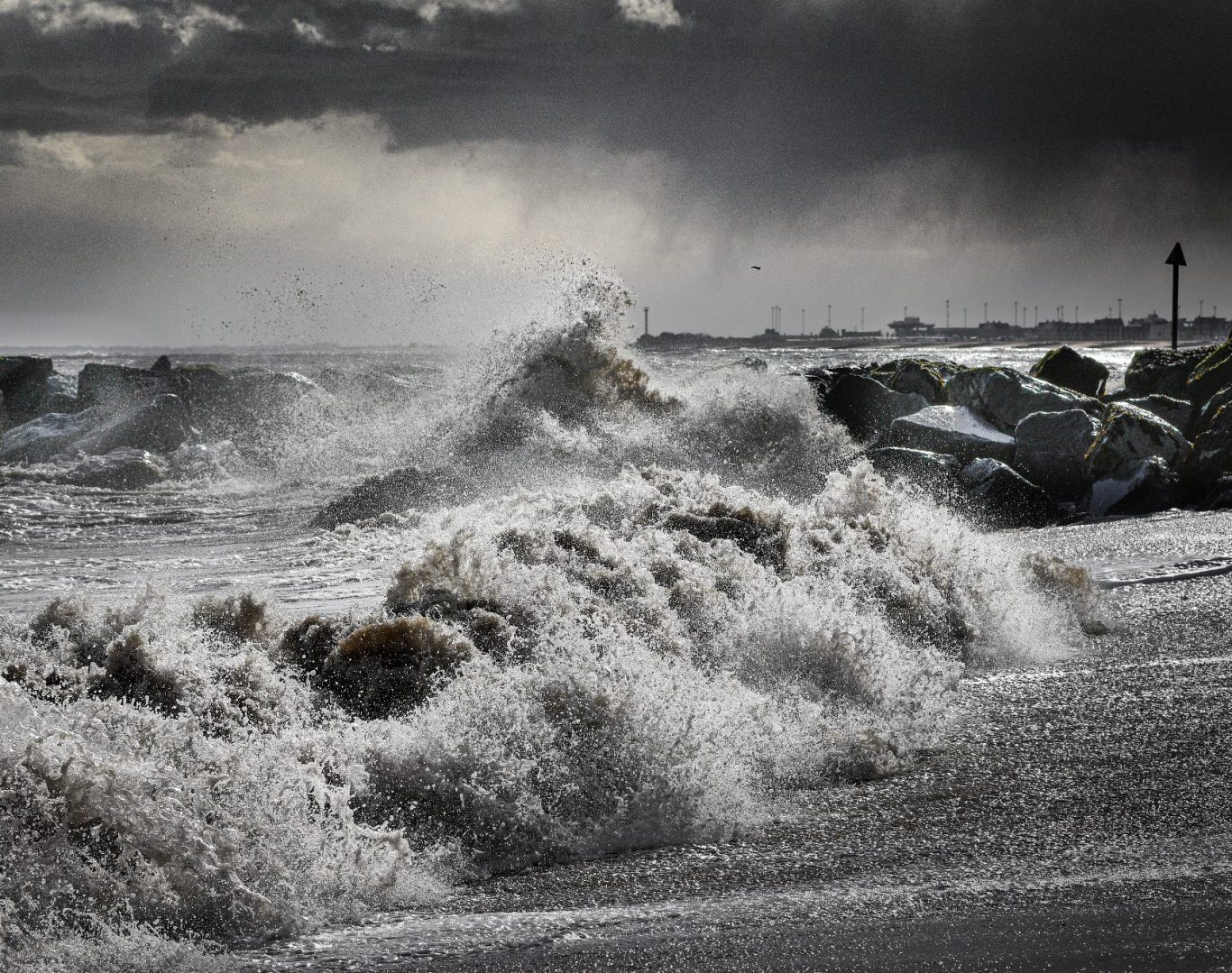
Tamron 70–200mm f/2.8
The Tamron 70–200mm f/2.8 is the lens I turn to when I want to simplify a scene.
A lot of people think landscape photography always means going wide, but some of the strongest images come from doing the opposite. A telephoto lens lets you strip away distractions, compress layers, and focus on the parts of a landscape that really matter. Distant hills, light hitting one section of a mountain, patterns in the land, mist sitting between ridges — that is where a lens like this becomes incredibly powerful.
This is one of the lenses that helps me move from simply recording a scene to shaping one more intentionally.
Instead of trying to fit everything in, I can be more selective. I can look for smaller moments within a bigger landscape. That often leads to stronger, cleaner compositions.
The f/2.8 aperture also gives it flexibility beyond just standard landscape use. It is a solid all-round lens, but for me its biggest value is the way it helps isolate detail and create more deliberate images.
Nikon 70–300mm
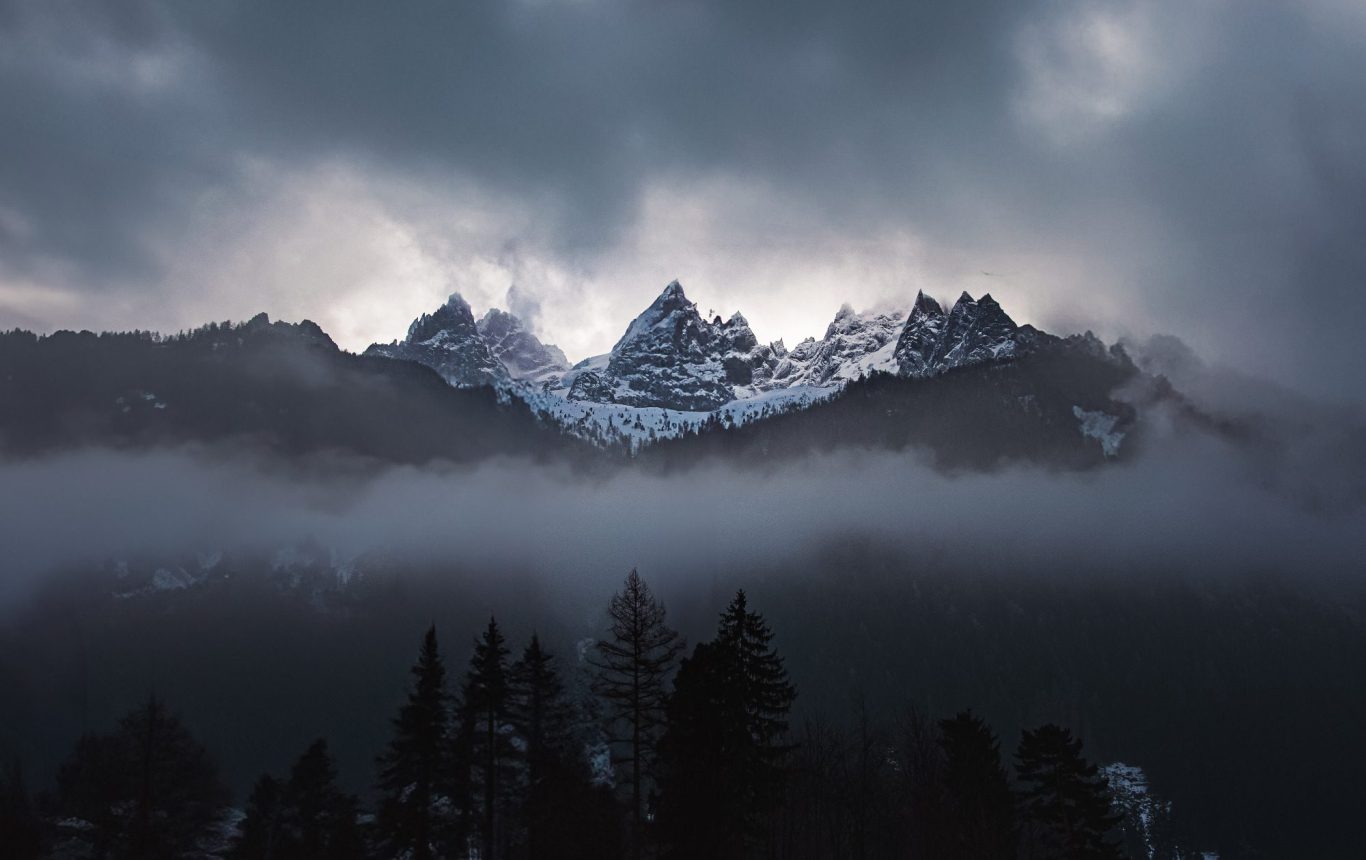
The Nikon 70–300mm gives me even more reach when I want it.
There are times in landscape photography when you simply cannot get closer, and that extra focal length makes a big difference. Whether it is pulling in distant detail, isolating light on a far-off ridge, or picking out layers in the landscape, having that longer reach opens up compositions that would otherwise be lost.
That is why I keep it in the bag.
It gives me another option when I want to go beyond the 70–200mm range and really tighten into a scene. Sometimes that extra reach is exactly what helps turn an ordinary wide view into a much more focused and striking image.
For me, longer lenses are underrated in landscape photography. They train your eye differently. They make you look for shape, texture, light, and separation rather than just obvious grand scenes. That is a big reason I value having this lens available.
DJI Mavic 3
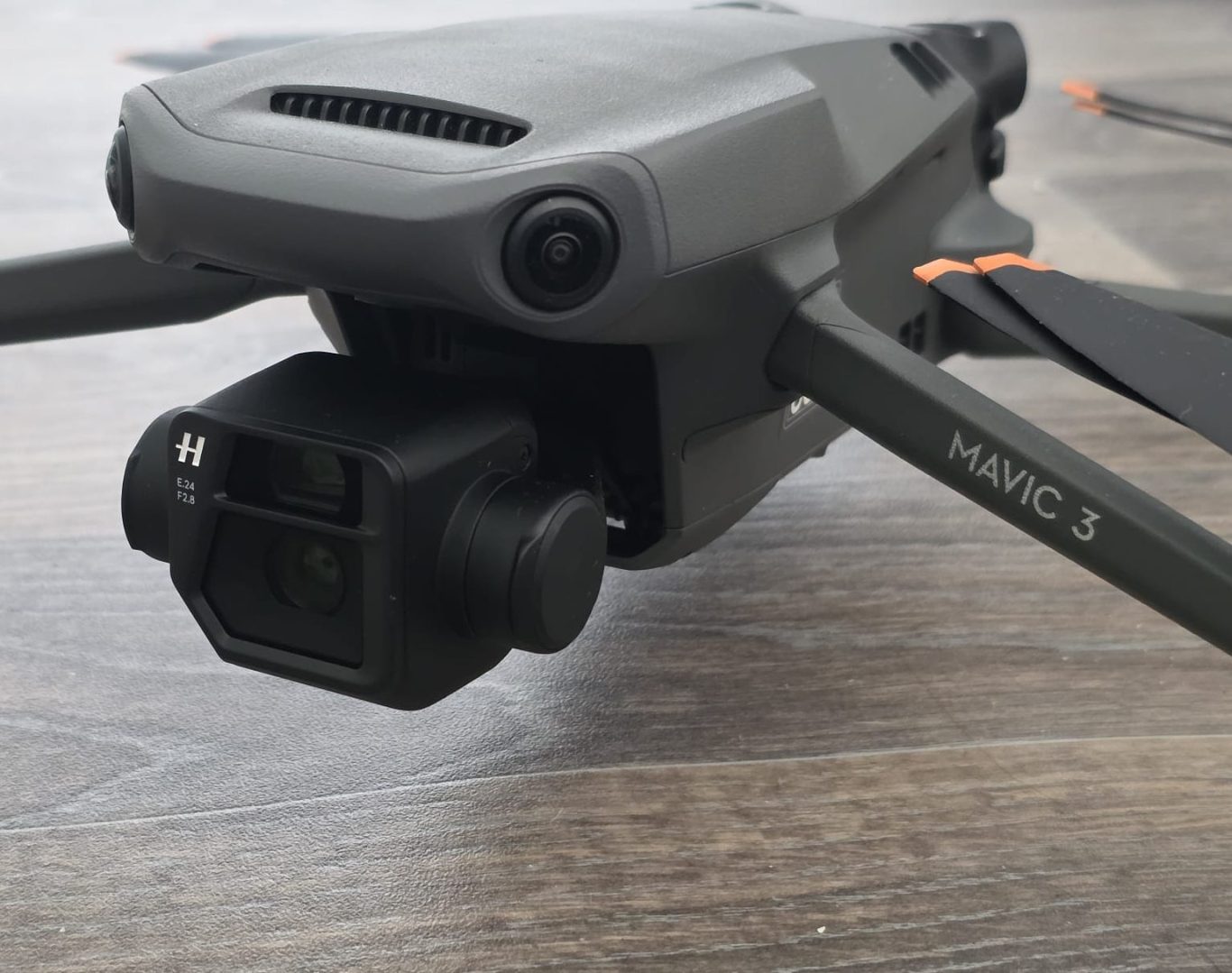
The other piece of gear that has become a major part of my photography is the DJI Mavic 3.
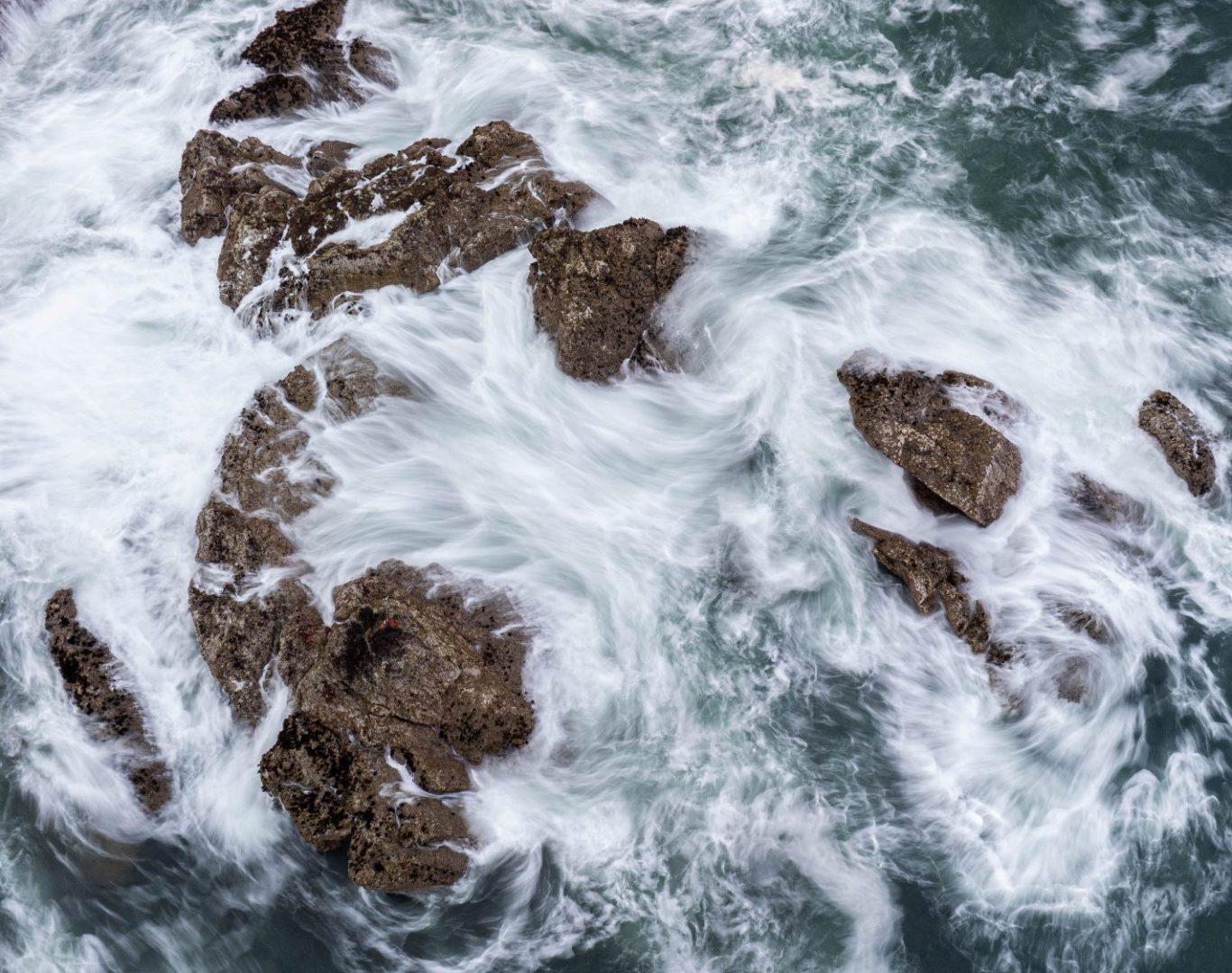
A drone is not essential for every photographer, but it has definitely expanded the way I see landscapes. It gives me access to angles, shapes, and compositions that are simply not possible from the ground. Patterns in the land become clearer. Leading lines become stronger. Scale changes completely. Scenes that might look ordinary at eye level can suddenly become far more interesting from above.
That is what I enjoy about using the drone.
Not just the novelty of aerial shots, but the creative possibilities it opens up.
It allows me to tell more of the story of a place. Sometimes the landscape makes more sense from above. Sometimes the most interesting composition is not on the path or at ground level, but somewhere overhead where the textures, curves, and structure of the land come together properly.
Used well, I think drone photography adds another layer to landscape work rather than replacing it.
At the heart of it, I use this gear because it suits the way I like to shoot.
I want flexibility without carrying things that do not serve a purpose. I want focal lengths that let me move from wide landscapes to tighter detail. I want gear I can trust in changing conditions. And I want tools that support the kind of images I enjoy making, rather than pushing me toward buying things just because they are popular.
That is really the key.
Every piece of gear in my bag has a reason to be there.
The Nikon Z5II gives me the image quality and confidence I want from the camera body. The 24–70mm handles the majority of general landscape situations. The 70–200mm helps me simplify scenes and work more selectively. The 70–300mm gives me
extra reach for distant detail. And the Mavic 3 adds an aerial perspective that changes how I can capture a location altogether.
It is not about having everything.
It is about having the right things.
Final thoughts
I think a lot of photographers spend too long wondering whether their gear is good enough, when in reality the bigger question is whether they are using it well.
Good gear helps, of course. Reliable gear matters. Versatile gear matters. But what matters most is understanding why you use what you use, and how it helps you create the kind of work you want to make.
That is how I look at my camera bag.
Not as a collection of equipment, but as a set of tools that support the way I see landscapes.
And that, to me, is what makes gear worth carrying.
My Gear
Camera Gear:
Nikon Z5 ii
Tamron SP 24-70mm F2.8 USD DI Lens
Tamron 70-200mm F2.8 (IF) Macro Lens
Nikkor 70-300mm AF-S G VR Lens
Tripod:
K&F Concept Compact Camera Tripod, 68inch
Bag:
Fastpack PRO BP250 AW III
Video:
DJI Mavic 3
Samsung S25 Ultra
Filters:
K&F CONCEPT Pro Square ND CPL Filter Set, ND1000