Astrophotography From My Back Garden:
Capturing Deep Space Through Light Pollution
When most people think of astrophotography, they picture dark mountain skies, remote locations, and the Milky Way stretching clearly overhead.
But the truth is, a lot of astrophotography does not begin in a perfect location.
It begins in a back garden.
Street lights nearby. Neighbours’ security lights switching on. Orange glow on the horizon. Houses, fences, passing cars, clouds, and all the usual frustrations that come with trying to photograph the night sky from home. For a long time, it is easy to assume that deep space photography is only possible from truly dark skies, that galaxies, nebulae, and fine detail are out of reach unless you travel far away from light pollution.
Thankfully, that is not true.
Some of the most rewarding images you can capture in astrophotography can be taken right from your own garden, even with light pollution working against you. It takes more patience, more planning, and a better understanding of your gear, but it can absolutely be done. In many ways, photographing deep sky objects from home teaches you more about the process than dark sky shooting ever could. It forces you to be more precise, more disciplined, and more consistent.
For me, that is part of the appeal.
There is something satisfying about stepping outside into your own garden, setting up under a sky that does not look especially impressive to the naked eye, and knowing that your camera can still reveal something incredible hidden in the darkness. The stars may seem faint. The sky may look washed out. The detail may be invisible to your eyes. But the camera sees more than we do, and with the right technique, it can pull out galaxies, nebulae, lunar detail, and structure that most people would never guess is there.
That is one of the reasons astrophotography feels so addictive.
It turns an ordinary back garden into a launch point for photographing space.
The challenge of shooting from home
Light pollution is the biggest obstacle. It reduces contrast, washes out faint detail, and makes the sky background brighter than you want it to be. Instead of rich black skies, you often end up fighting against a muddy glow that hides the weaker parts of galaxies and nebulae. The more severe the light pollution, the harder it becomes to separate your target from the background.
That does not mean the target is not there.
It just means your technique matters more.
Deep sky astrophotography from a back garden is often less about a single dramatic exposure and more about building data. You are collecting light over time. Each individual frame may not look exciting, but once multiple exposures are stacked together, detail begins to emerge. Noise is reduced, the signal becomes stronger, and hidden structure starts to show itself. That is where the magic happens.
This is especially true for targets like the Andromeda Galaxy and the Orion Nebula. These are some of the best objects to start with because they are bright enough to capture from imperfect skies and large enough to work with common lenses and camera setups.
Finding targets in the sky
One of the biggest things that helps when shooting from the garden is learning how to actually find your targets. In the beginning, that can feel harder than the photography itself. When you first start, the night sky can look confusing. Everything feels scattered, and unless a constellation is obvious, it is easy to feel lost.
That is where apps like Star Walk 2 make a huge difference.
Using an app like that helps you understand what you are looking at in real time. You can point your phone at the sky, locate major stars and constellations, and start working out where objects like Andromeda, Orion, or the Moon are sitting. It takes a lot of the guesswork out, especially when you are trying to frame something that you cannot clearly see with your own eyes.
Over time, though, something changes.
The more you go out, the more familiar the sky becomes. You start recognising the brighter stars without needing the app straight away. You begin to remember where Orion rises, where Andromeda sits at certain times of year, and how the Moon moves through different phases and positions. Eventually, the app becomes less of a crutch and more of a quick reference check.
That is one of the best parts of astrophotography.
You are not just learning camera settings, you are learning the sky itself.
And once you begin to know the stars and their locations, everything starts to feel more natural. Setup becomes quicker. Planning gets easier. Targets become less intimidating. You stop feeling like you are randomly pointing a camera into darkness, and start feeling like you actually understand what is above you.
Capturing the Andromeda Galaxy from a light-polluted garden
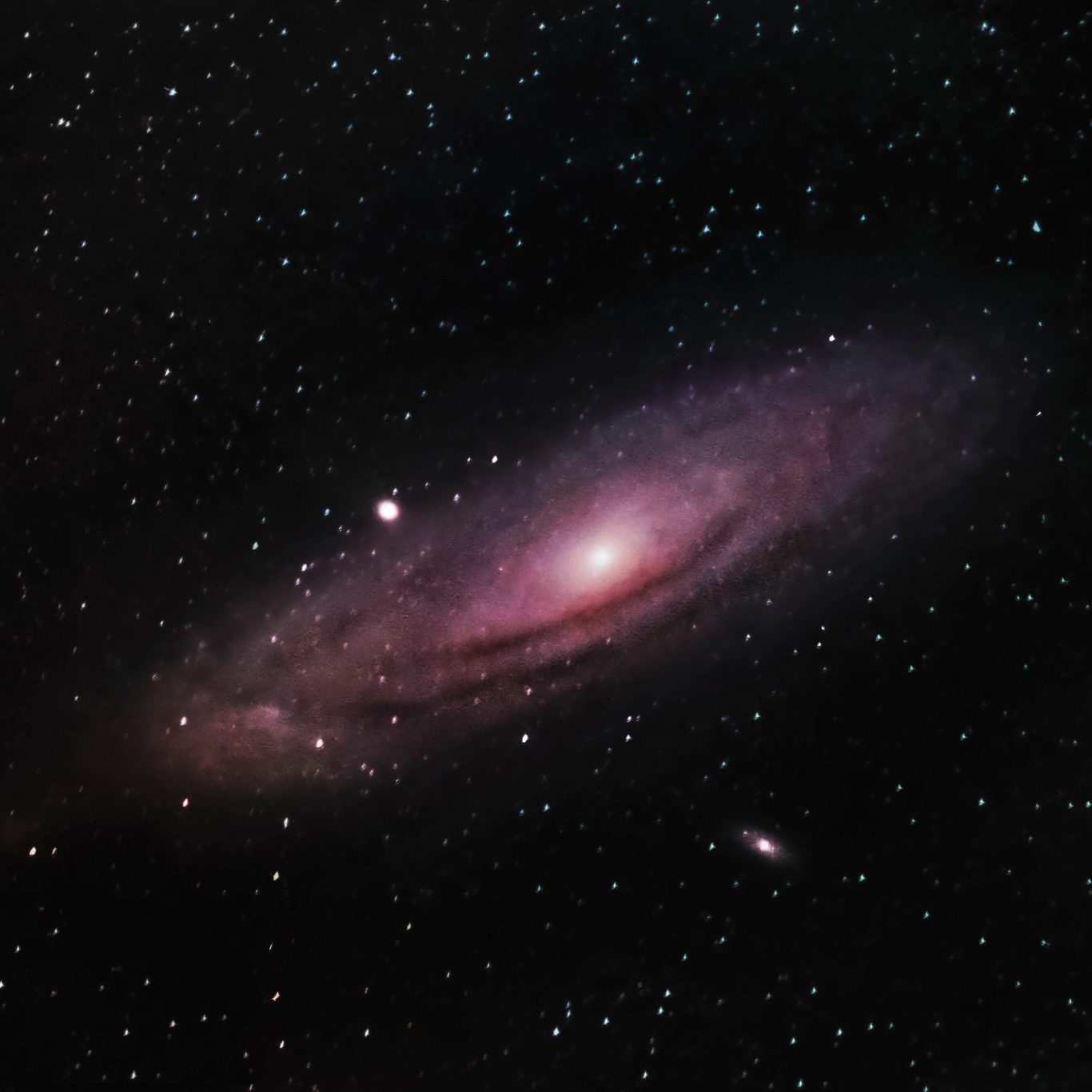
The Andromeda Galaxy is one of the most satisfying deep space targets for beginners and experienced photographers alike. It is astonishing to think that you are photographing an entire galaxy from your own garden, especially when the sky above you may not look impressive at all.
To the eye, Andromeda is often invisible under light pollution. Even when it is technically above the horizon, you may not see anything at all. But your camera can. With the right focal length, accurate focus, careful tracking, and enough total exposure time, the core and surrounding shape of the galaxy can be captured surprisingly well.
The key is not expecting one frame to do all the work.
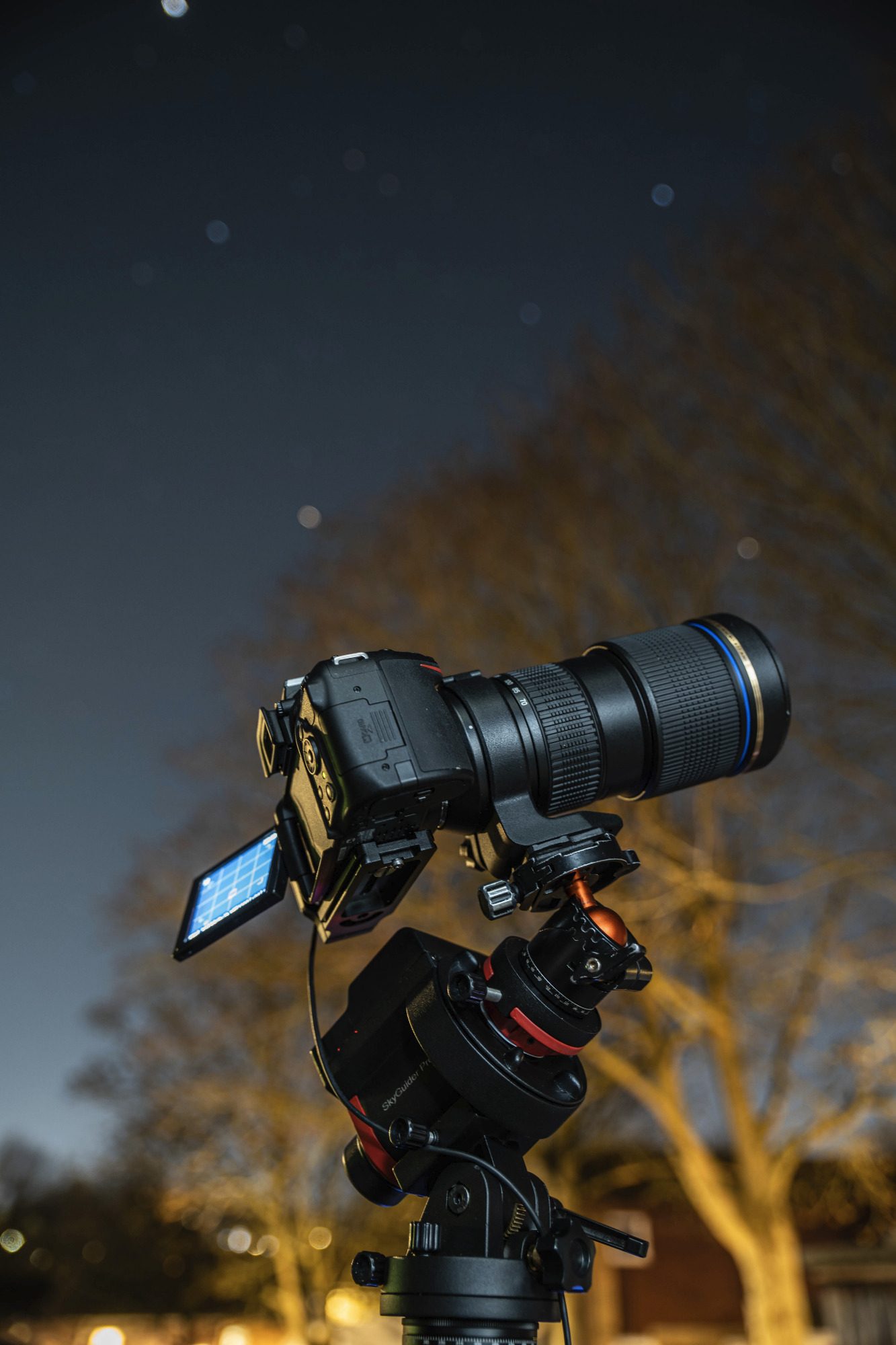
Instead, you aim for multiple tracked exposures and stack them later. Tracking makes a huge difference here because it allows longer exposures without the stars trailing, which means you gather more light and more usable detail. Even a modest star tracker can transform what is possible from a garden setup.
Andromeda works well because it is relatively bright, but light pollution still affects the outer dust lanes and faint surrounding detail. The brighter your local sky, the more important total integration time becomes. In simple terms, more good exposures usually means a better final image.
This is one of the biggest lessons in astrophotography: if the conditions are not ideal, patience becomes part of the gear list.
Photographing the Orion Nebula from home
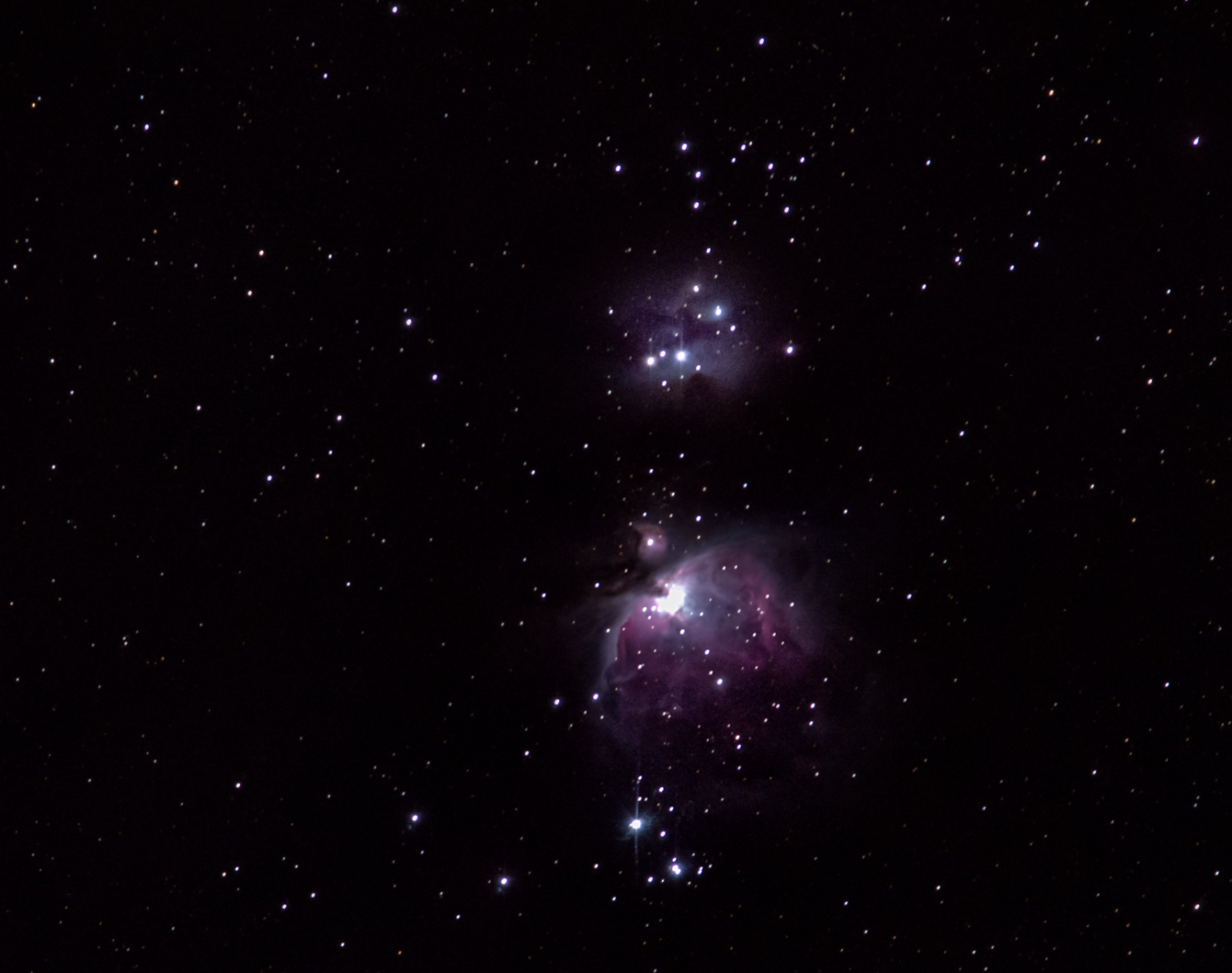
The Orion Nebula is one of the best deep space objects you can photograph from a back garden. Bright, detailed, and located in one of the most recognisable constellations in the night sky, it is an ideal target for anyone wanting to step beyond simple star shots.
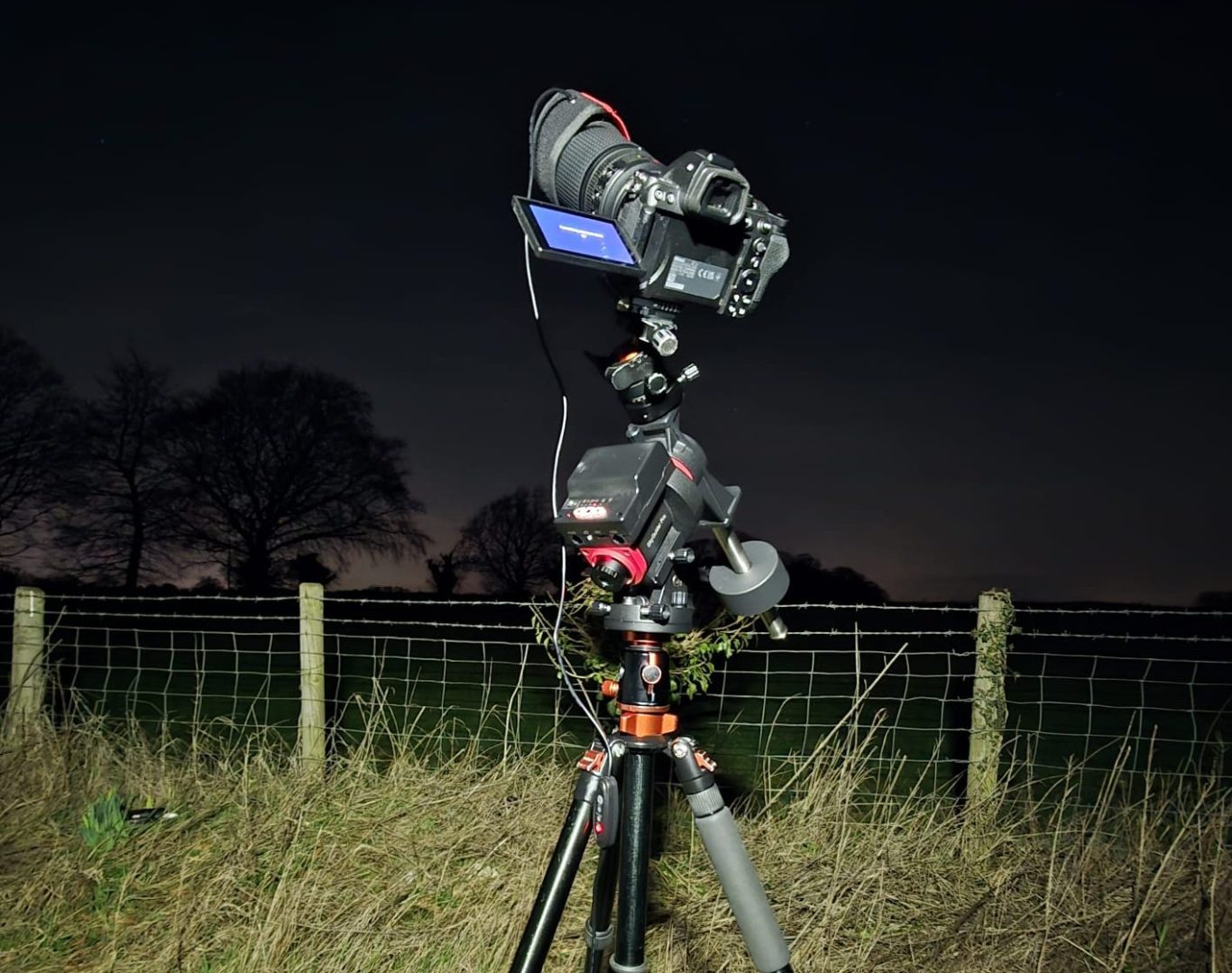
What makes the Orion Nebula so special is that it responds well even to beginner setups. You do not need a huge telescope to begin capturing it. A camera, a telephoto lens or telescope, a stable tripod, and ideally a tracker can already take you a long way.
From a light-polluted garden, the nebula still shines through surprisingly well because its core is bright. The challenge comes in balancing that bright central region with the fainter outer gas. If you push too hard, the core can blow out. If you hold it back too much, the surrounding detail can get lost. That is where stacking and careful editing become important.
The Orion Nebula is also a brilliant object for building confidence because it gives you visible results relatively quickly. It is one of those targets that reminds you why this hobby is worth the effort. You start with what looks like an ordinary patch of sky, and after processing, you reveal colour, structure, and depth that simply was not visible before.
The Moon: the perfect target when conditions are poor
Not every night needs to be about deep sky.
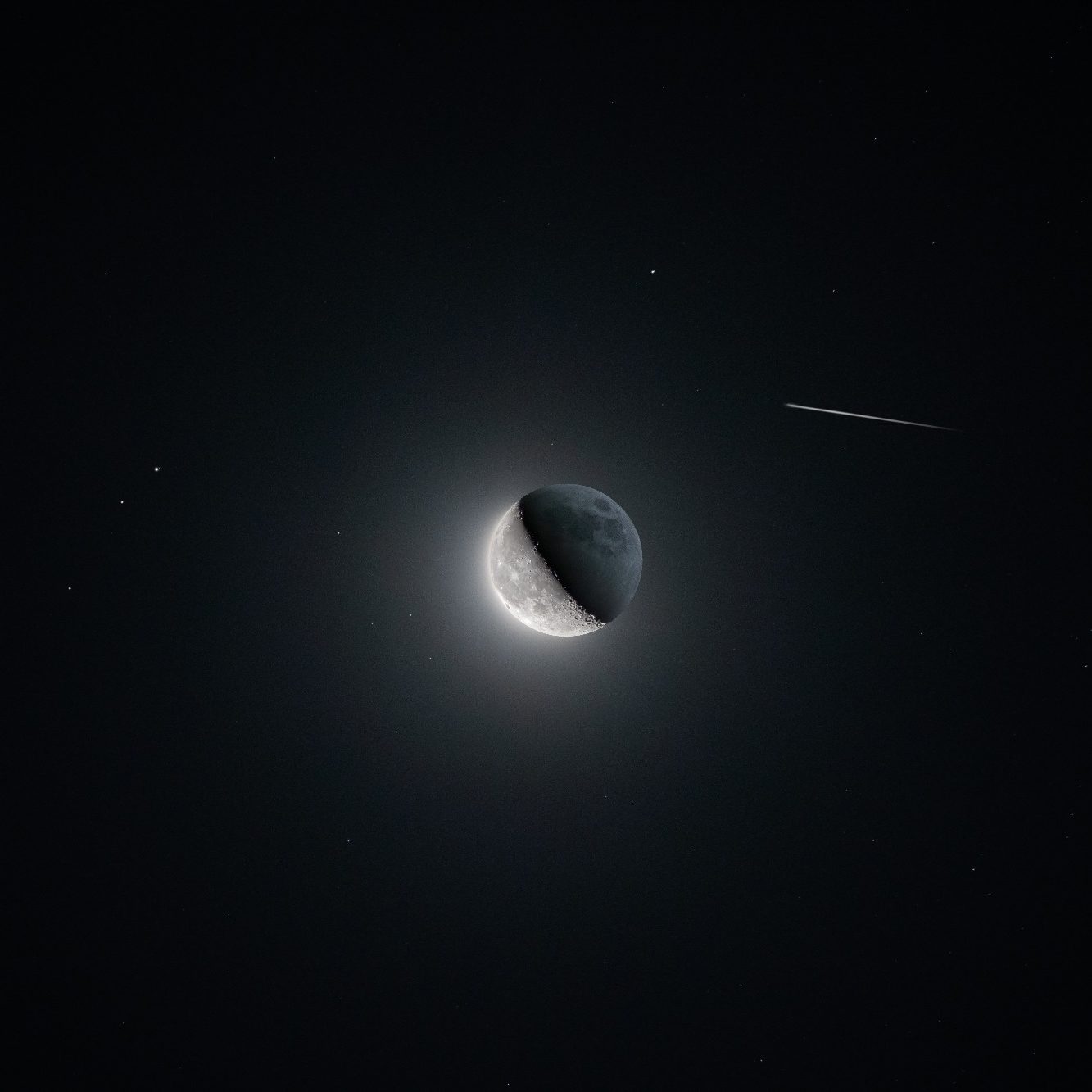
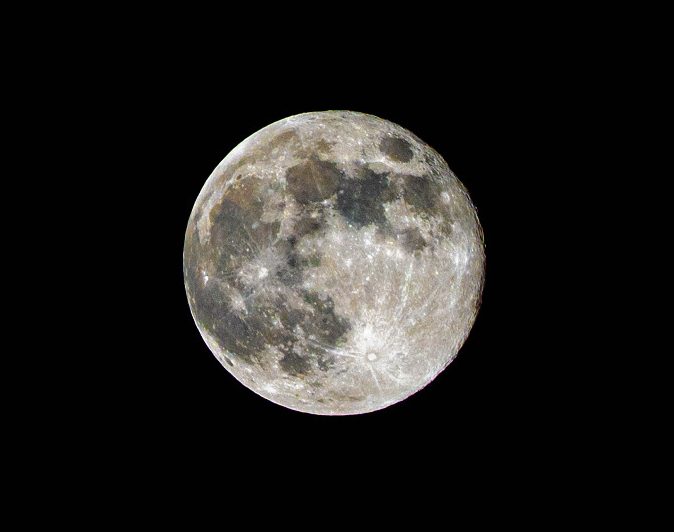
Sometimes the Moon is the best subject in the sky, especially when light pollution, haze, or changing conditions make galaxies and nebulae more difficult. Unlike faint deep space targets, the Moon is bright enough to cut through poor skies and still give excellent results from a back garden.
In many ways, lunar photography is one of the best things to practise from home because it teaches sharpness, timing, stability, and processing. It also reminds you that astrophotography is not only about the faintest or most difficult object possible. Sometimes it is about making the most of what is available.
The Moon is full of detail, craters, shadows, ridges, texture, and those details shift depending on the phase. A full Moon may look impressive, but the most dramatic detail often appears along the terminator line, where light and shadow meet. That is where the surface gains depth and shape.
It is also one of the most accessible forms of astrophotography because you can achieve strong results without dark skies at all. In fact, light pollution is barely relevant compared to deep sky imaging. That makes the Moon an ideal target for nights when you want to photograph something meaningful without needing perfect conditions.
Why the back garden matters
There is a temptation in photography to believe that better locations solve everything.
Sometimes they help, of course. Dark skies are better for faint targets. There is no pretending otherwise. But waiting for perfect conditions or rare trips can also become an excuse not to practice. The back garden removes that excuse. It gives you access. Convenience. Repetition. More chances to improve. More opportunities to test gear, refine focus, learn tracking, experiment with settings, and understand processing.
That matters far more than people realise.
A garden setup may not feel glamorous, but it is one of the best classrooms an astrophotographer can have. It teaches you to work with limitations instead of depending on ideal conditions. It teaches patience. It teaches problem-solving. And perhaps most importantly, it keeps you shooting.
Because in astrophotography, the person who keeps showing up usually improves faster than the person waiting for the perfect night.
What makes it possible
Capturing deep space from a light-polluted garden comes down to a few key things.
The first is planning. You need to know when your target is high enough in the sky to avoid the worst atmospheric distortion and local light domes. The second is focus, because even a slightly soft image will lose precious detail. The third is stability and tracking, which help you gather cleaner, longer exposures. The fourth is stacking, because a single image rarely shows the full potential of what you captured. And finally, editing is where the hidden signal is carefully brought forward without completely destroying the natural feel of the scene.
None of this is about cheating the image.
It is about revealing what the camera genuinely recorded.
That is an important distinction, especially in astrophotography. The final image is built through technique, not fantasy. The detail is real. The structure is real. The colours are real. What changes is your ability to separate that real information from noise, sky glow, and limitations in the raw frames.
Why I love doing this from home
There is something grounding about photographing the universe from your own garden.
You step outside into a familiar space, a place you know in daylight without thinking, and at night it becomes something completely different. Quiet. Still. Focused. The same patch of grass, fence line, or patio becomes the base for photographing another galaxy, a bright nebula, or the surface of the Moon.
That contrast never gets old.
It reminds me that astrophotography is not only about travelling somewhere spectacular. Sometimes it is about learning to see the extraordinary in ordinary places. Light pollution might make the task harder, but it does not make it meaningless. If anything, it makes the result feel even more rewarding.
Because when an image of Andromeda or the Orion Nebula appears on the screen after being captured from a back garden under imperfect skies, it feels earned.
And that is a big part of why I keep doing it.
Final thoughts
You do not need perfect dark skies to begin deep space astrophotography.
You do not need a remote mountain.
You do not need to see every detail with your own eyes.
And you do not need to wait until conditions are ideal before trying.
A back garden with light pollution can still be enough.
Enough to learn.
Enough to practise.
Enough to capture the Moon in sharp detail.
Enough to photograph the Orion Nebula.
Enough to reveal the Andromeda Galaxy.
Not because the conditions are easy, but because the process works.
And maybe that is one of the most exciting things about astrophotography: even from an ordinary garden under a compromised sky, the universe is still there, waiting to be captured.